The Allure of High-Stakes Gambling
High-stakes casino games captivate individuals with their potential for substantial monetary rewards, but the allure goes beyond mere financial gain. The thrill of risking large sums of money creates an adrenaline rush, activating the brain’s reward system. Players experience heightened states of arousal, which can lead to an intoxicating blend of excitement and anxiety, making the gambling experience more intense. In fact, many players explore options such as uk online casinos not on gamstop to enhance their chances of winning.
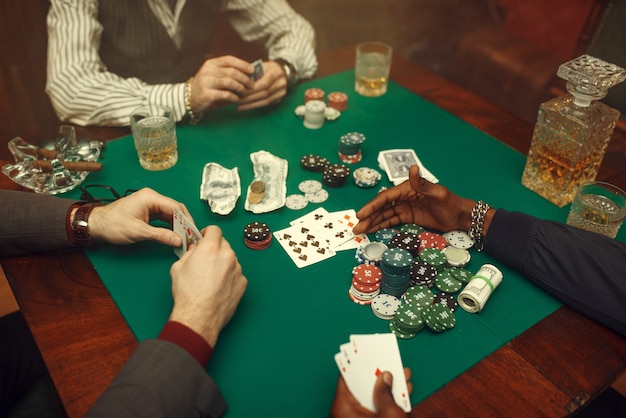
The psychological phenomenon known as “loss aversion” also plays a significant role. This principle suggests that the pain of losing is felt more intensely than the pleasure of winning. As a result, players may chase losses, believing that a significant win is just around the corner. This mindset can lead to a cycle of increased bets and heightened emotional stakes, driving individuals deeper into the gambling experience.
The Impact of Environment on Behavior
The environment of a casino is meticulously designed to enhance the gambling experience. Factors such as lighting, sounds, and even the layout of the space contribute to the psychological effects on players. Bright lights and sounds like ringing slot machines create an atmosphere of excitement that can impair rational decision-making, encouraging players to continue gambling despite potential losses.
Moreover, the social aspect of high-stakes gambling cannot be overlooked. Gamblers often find themselves in vibrant social settings, surrounded by others who share their interests. This communal experience can reinforce behaviors and create a sense of belonging, but it also has the potential to encourage reckless decision-making, as individuals feed off the energy and excitement of the group.
The Role of Cognitive Biases
Cognitive biases are prevalent in the world of gambling and can significantly influence players’ behavior. One common bias is the “gambler’s fallacy,” where individuals believe that past events will influence future outcomes in games of chance. For example, a player might think that a particular slot machine is “due” for a payout after a series of losses, leading them to invest more money in hopes of a win.
Another notable bias is overconfidence, where players overestimate their skills or strategies. This can be particularly dangerous in high-stakes games, where the stakes are significantly higher. The belief in one’s ability to influence outcomes can lead to larger bets and increased risk-taking, often resulting in substantial losses and disappointment.
The Emotional Rollercoaster of High-Stakes Games
High-stakes casino games evoke a wide range of emotions, from euphoria during winning streaks to despair when losses accumulate. This emotional rollercoaster can create a powerful addiction, as the brain seeks to replicate the intense feelings associated with winning. The intermittent reward schedule of gambling—where wins seem unpredictable—makes it more enticing and can lead to compulsive gambling behavior.
Moreover, the stigma surrounding gambling can intensify feelings of shame and guilt among players, making it difficult for them to step away from the activity. This emotional struggle can perpetuate a cycle where individuals gamble more to escape negative feelings or to recover losses, further entrenching them in the gambling world.
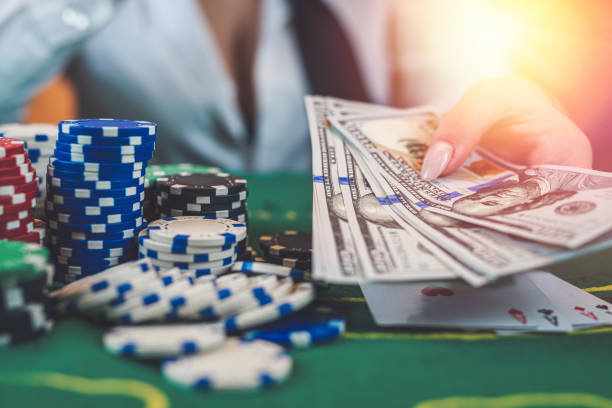
Conclusion: Navigating the Gambling Landscape
Understanding the psychology behind high-stakes casino games is crucial for anyone engaging in gambling, whether for entertainment or as a serious pursuit. Recognizing the emotional and cognitive factors at play can empower players to make more informed decisions and establish healthier boundaries. While the excitement of high-stakes gambling can be appealing, it’s essential to approach it with awareness and caution.
For more insights and resources related to the gambling landscape, this website serves as a valuable platform. It provides users with access to information and tools that can enhance their understanding of gambling, ensuring a safer and more enjoyable experience.
